
This added up to a sensation very similar to the delightful sensory overload one experiences at any good Berlin club night, without the most important part – dancing in a pulsating throng of ecstatic human beings. Sitting there in Denmark’s most famous theatre, I was overcome with nostalgia for pre-corona clubbing in Berlin. The spectacle on stage felt like a sterile exhibit on a lost culture in a museum vitrine.
What of the actual play itself? First, you can’t really call it a “play”. As is common in Berlin theatre these days, there was no plot, no tangible sequence of events. Rather, it was a glitchy pastiche of stories from the actors’ own lives – all of whom were gay, lesbian or trans. The nationalities of the all-queer cast included Lithuanian, Danish, French and German. Most of the dialogue was in English, in a charming variety of Euro accents.

Queer Berlin needs to keep fighting
Call it a hybrid of documentary and variety show. And then every now and then an actor would step to the front of the stage and give a touching yet utterly kitsch rendition of a pop song like George Michael’s Faith.
It’s WorldPride in Copenhagen, with lots of queer sport, culture, marches – and pinkwashing galore. Rainbow flags flutter from every bus and office building. Rainbow sailboats float by. Rainbow fireworks sparkle in the sky. To be honest, the queer city marketing is a little over the top. The Goethe Institut wanted in on the fun and sent Falk Richter to represent Berlin and Germany.
What I liked the most about Pride were the monologues in which each actor told their own coming out stories: Johannes Lilleøre on growing up gay in the oppressive silence of rural Jutland; Xenia Noetzelmann on coming out as a lesbian in deepest Bavaria and her difficulties trying to score mainstream acting gigs; Adil Laboudi on the racism he encounters as a French, Arab and gay man. There were some fantastic solo dance numbers where the actors rolled, twirled and thrust their way through the rotating set. Queer life as a dizzying ride through emotional extremes: excitement, depression, joy, loneliness, exclusion, solidarity.


Other parts annoyed me. Like the bit about performing gender – the actors mimicking straight cis men as if they were sub-human trolls. That felt so 20 years ago. Or like a suburban high school play by kids who have just discovered gender studies. Or the bit where the actors sit around like in a panel discussion and talk about the discrimination that still occurs against LGBTQ+ people around the world – and Europe.
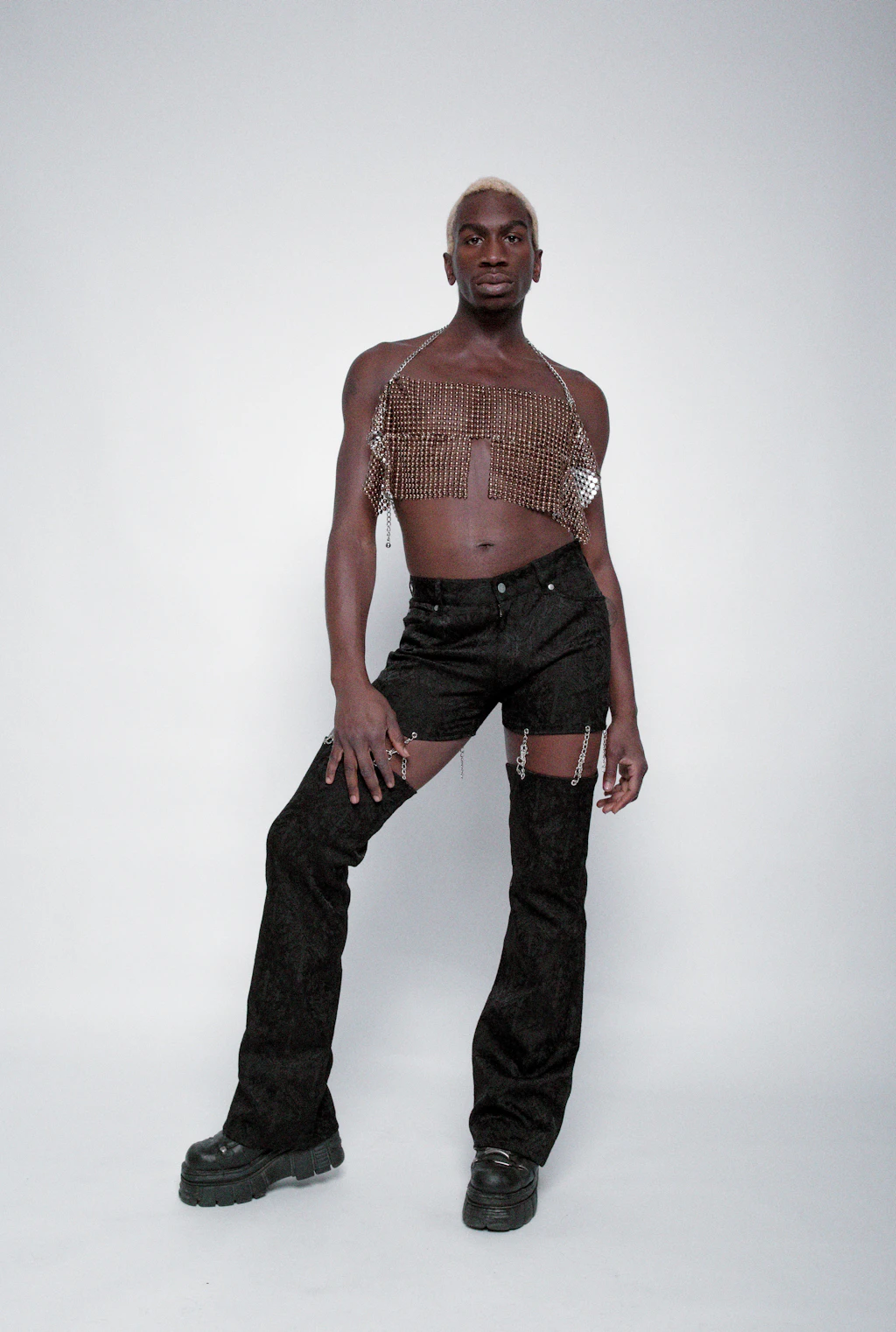
“This club felt like a torture chamber”
Do theatre audiences need to be lectured about stuff they all already know? Do we need more preaching to the converted? Note to Goethe Institut: how about trying to get Pride performed on stages in Warsaw and Budapest?
As authentic, touching and entertaining the actors’ performances were, it all felt a little meh, a little too comfortable – like when more heteros show up at Pride marches than queer people and go home with little rainbow flags attached to their buggies. Last I checked, theatre is supposed to be an art form that plumbs the depths and scales the peaks of the human condition and challenges accepted notions. Call me old-fashioned, but preaching to the choir, political lectures and panel discussions have no place on the stage.
That said, the show moved me in unexpected ways, including a sense of mourning for that old sweaty, loud, transgressive Berlin underground nightlife culture – which has been so pivotal in queer culture and vice versa – which infused the piece.
But that’s my totally subjective take on it. Recently I moved from to Copenhagen after 20 turbulent years in Berlin. Here, it’s cleaner, quieter, richer, better organised, friendlier. But it sure as hell ain’t no Berlin.

Ihre Meinung ist uns wichtig. Senden Sie uns Ihr Feedback zu diesem Artikel an: [email protected]
